New Health Design Brief: Accessible Quiet Spaces for Joined-Up Health Services
PAUL MAGEE
TopicEducation & trainingAwarenessDevelopmentDesignEmploymentSafety and securityWomen entrepreneurshipGender related statisticsWomen needs in transport New technologiesParticipation cultureMobility dataNew mobility formsShared modes of mobilityPolicy makingTransport patterns & user needs
Design Brief: Accessible Quiet Spaces for Joined-Up Health Services
Project Aim:
To design quiet, accessible environments that support people with additional needs when accessing face-to-face healthcare during busy times, by improving comfort and coordination across services.
Background & Opportunity:
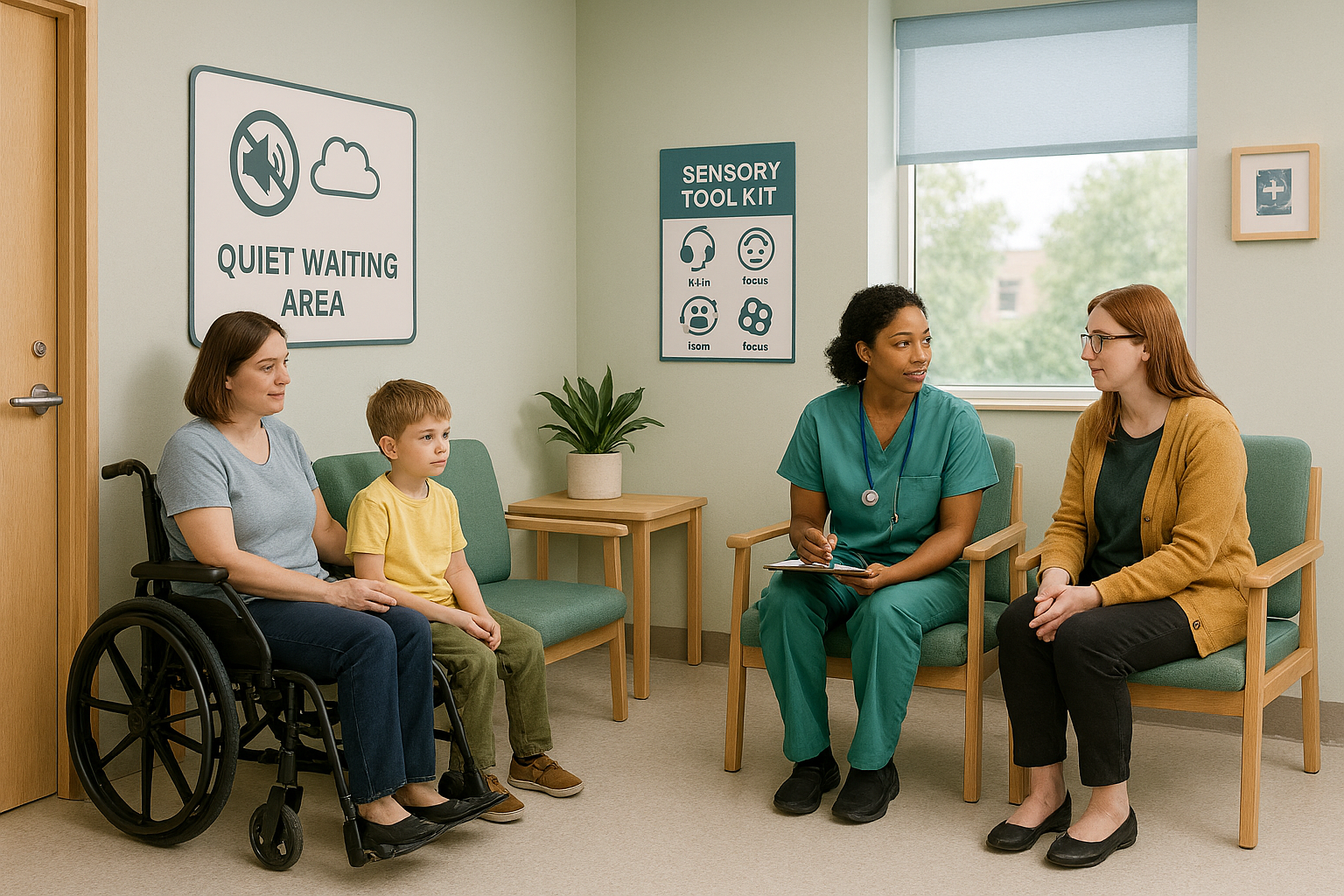
Many individuals with additional needs face barriers in navigating health services, particularly during busy periods such as rush hour. Assistive technology solutions often fall short of offering a seamless, accessible experience. There is an urgent need for more joined-up services and physical spaces that prioritize comfort and accessibility.
Target Audience:
People with additional needs accessing face-to-face healthcare, especially during peak hours.
Design Focus:
Creation of quiet, comfortable spaces that make healthcare environments more accessible through improved design and better integration with support services.
Purpose & Outcomes:
Improve accessibility to health services through environment and design.
Enhance comfort and reduce stress during busy periods.
Support the development of accessible routes and service touchpoints.



11 months ago